 EcoUnity Initiative
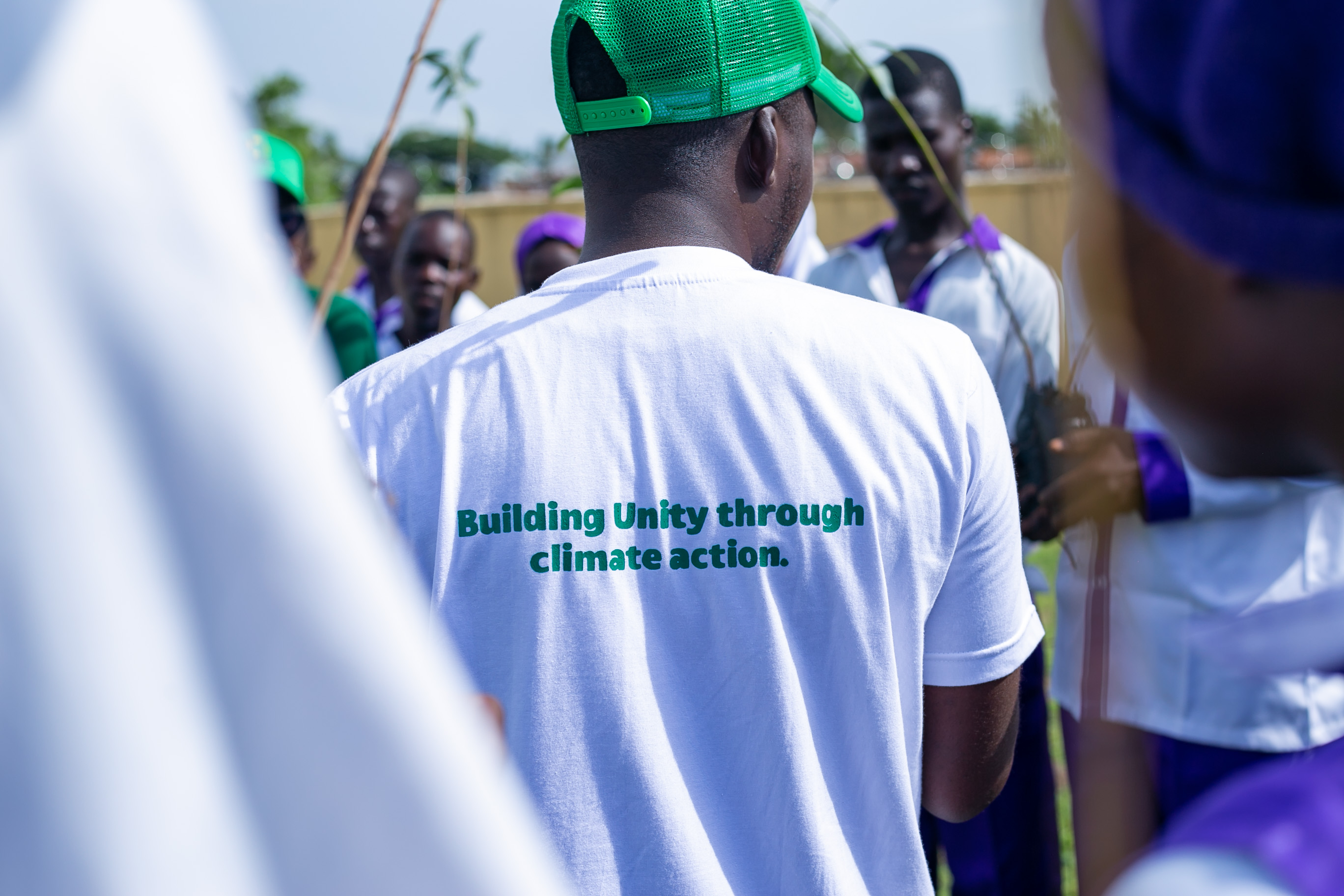
Project Areas: Climate Education, Tree Planting, Youth Engagement, Interfaith Collaboration.
The Greening Taraba Project is a grassroots climate action initiative focused on increasing climate awareness and encouraging practical environmental action among young people and communities across Taraba State. The project was developed in response to growing environmental challenges, including deforestation, changing weather patterns, loss of vegetation, and the increasing effects of climate change on communities and livelihoods.
Rather than presenting climate change as a distant global issue, we help participants understand how it affects their food, water, environment, health, communities, and future.
Our Vision: To contribute to a greener Taraba by supporting climate education and practical environmental action across communities in the state's 16 Local Government Areas.
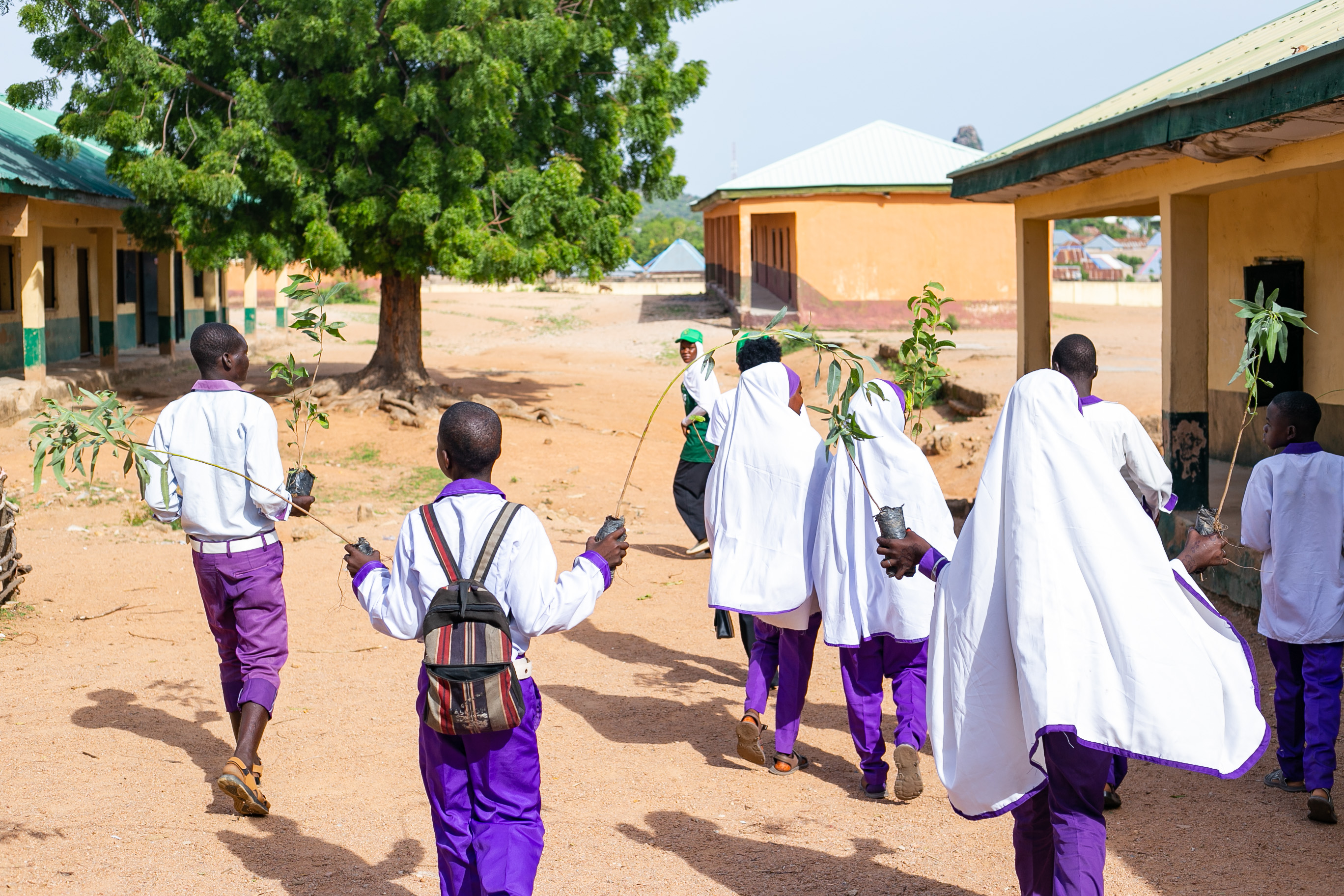
Schools are at the heart of our climate education work because young people have the potential to influence their families and communities. Our engagements introduce students to the basics of climate change, deforestation, and waste management.
After learning, students are encouraged to take action. Through tree-planting activities, each seedling planted becomes a practical lesson in responsibility, stewardship, patience, and hope.
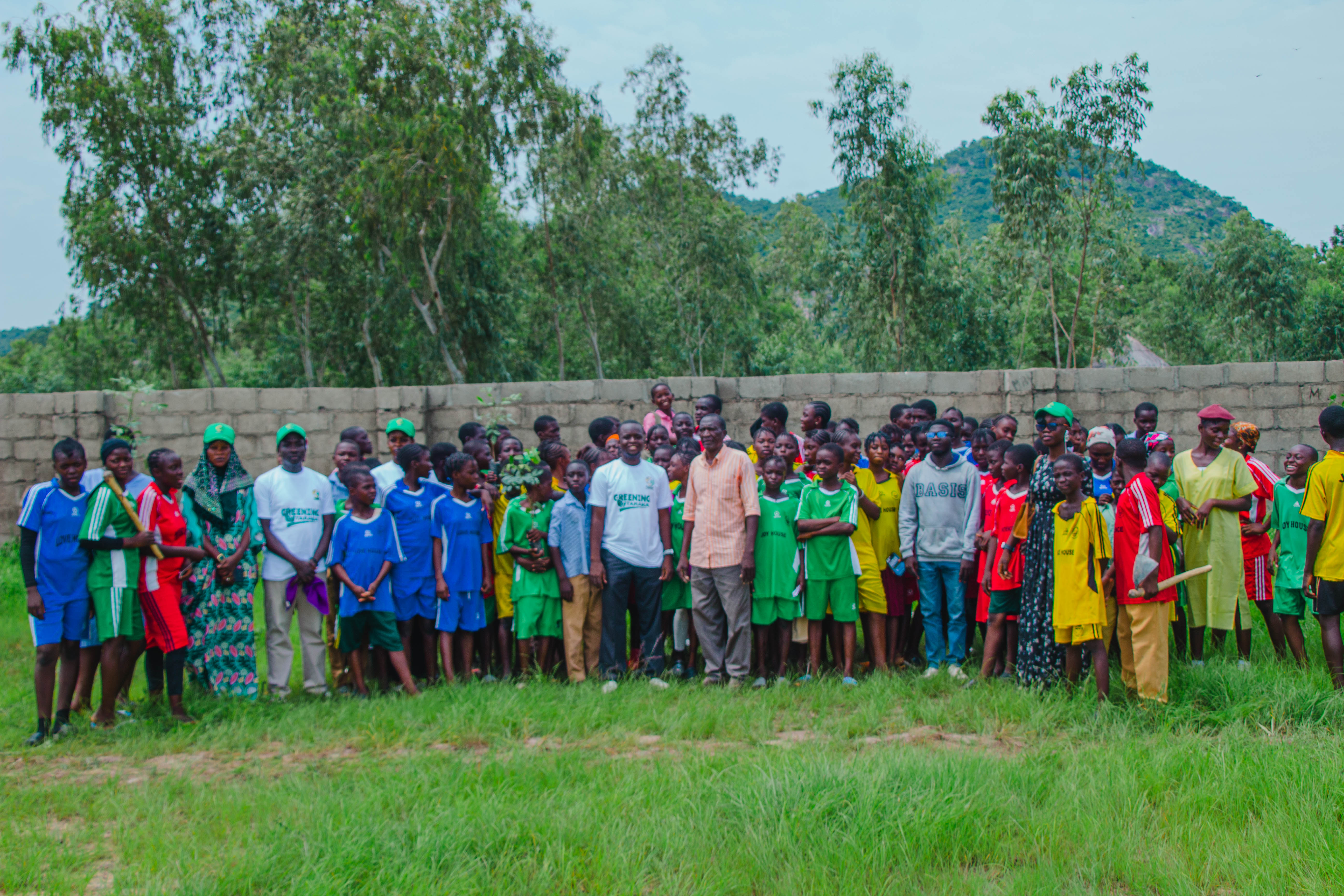
At UMCN Junior Seminary, we engaged students in conversations around climate change and the responsibility of young people to protect their environment. Students learned how everyday human activities affect the planet.
The session concluded with tree planting within the school community, demonstrating that climate education becomes more powerful when knowledge is transformed into action.
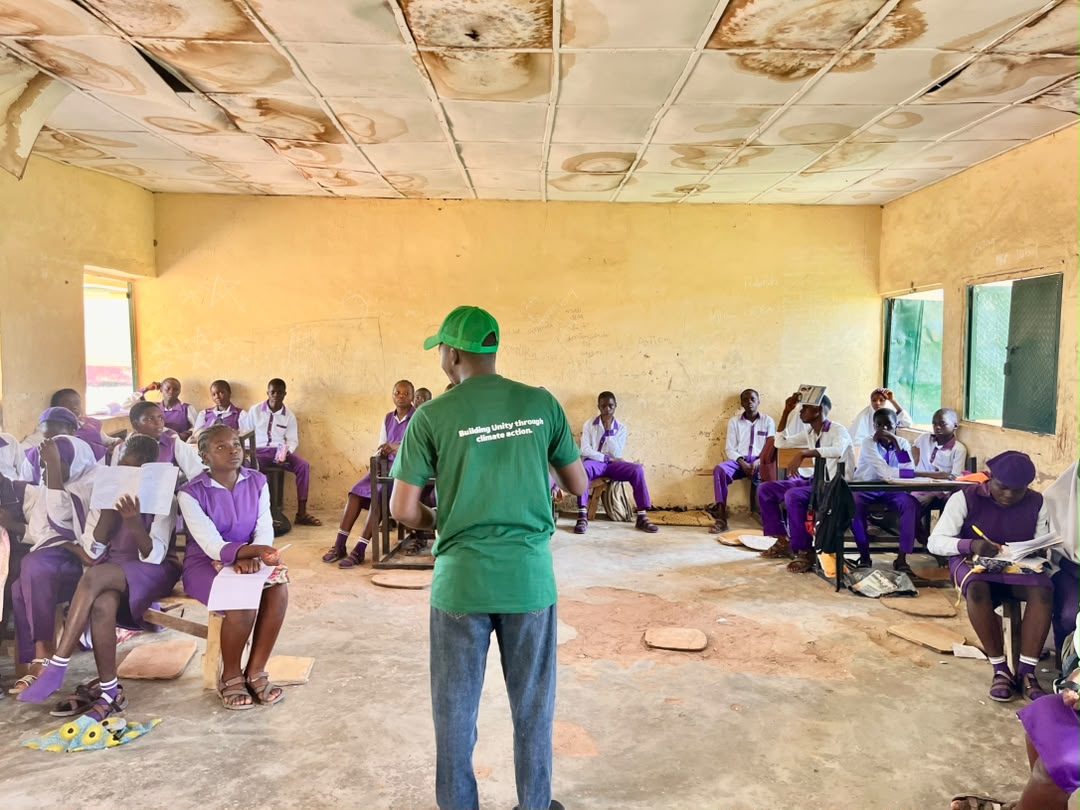
Climate information is not always accessible to everyone. Our community activities focus on making knowledge simple, practical, and relevant to local rural realities.
We use conversations to help people understand deforestation, sustainable practices, and community resilience. We believe climate action is most effective when communities understand both the problem and their role in the solution.
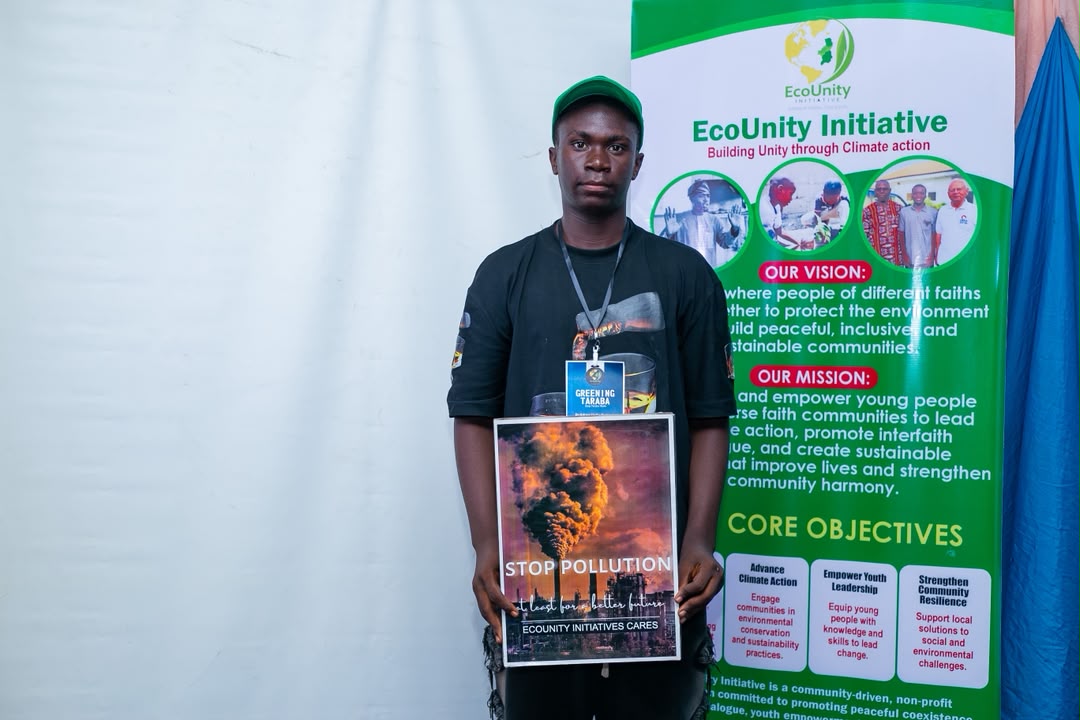
Environmental challenges affect people regardless of their religious backgrounds. We create opportunities for members of different faiths to work together to protect our common home.
Through dialogue and community action, we use environmental stewardship as a platform for peacebuilding. Different faiths. One Earth. One shared responsibility.
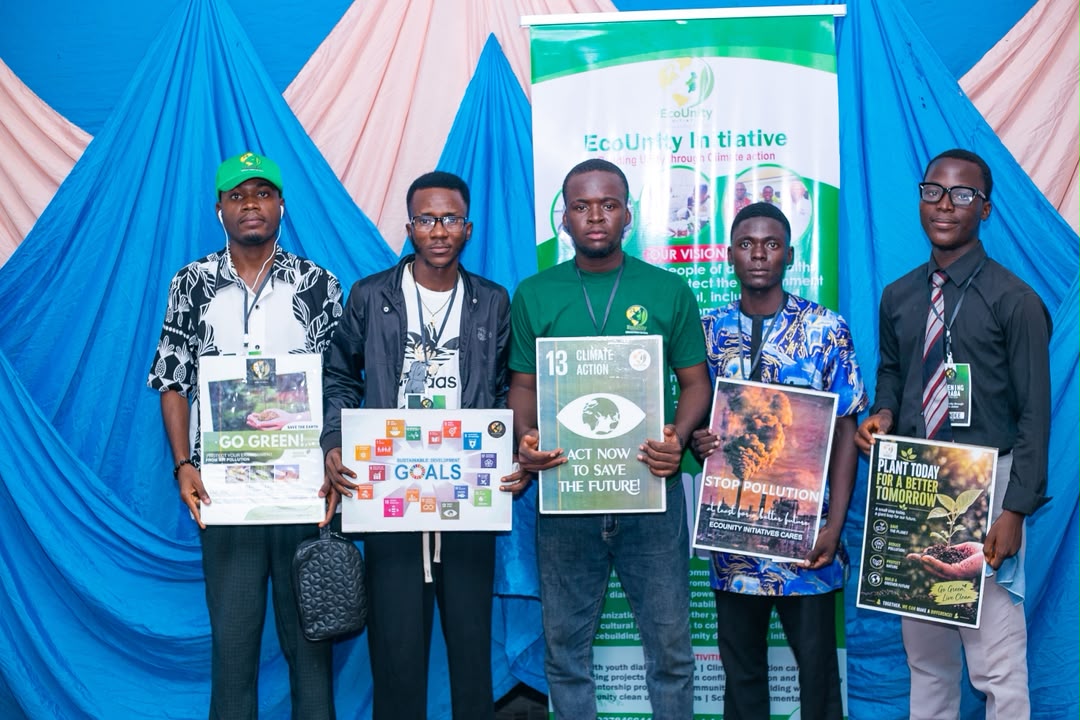
Young people should not simply be treated as beneficiaries. They should have opportunities to learn, lead, organize, and take action.
Our youth-focused activities provide platforms for public speaking, volunteerism, and community development. We are equipping a generation capable of leading sustainable development within their communities.
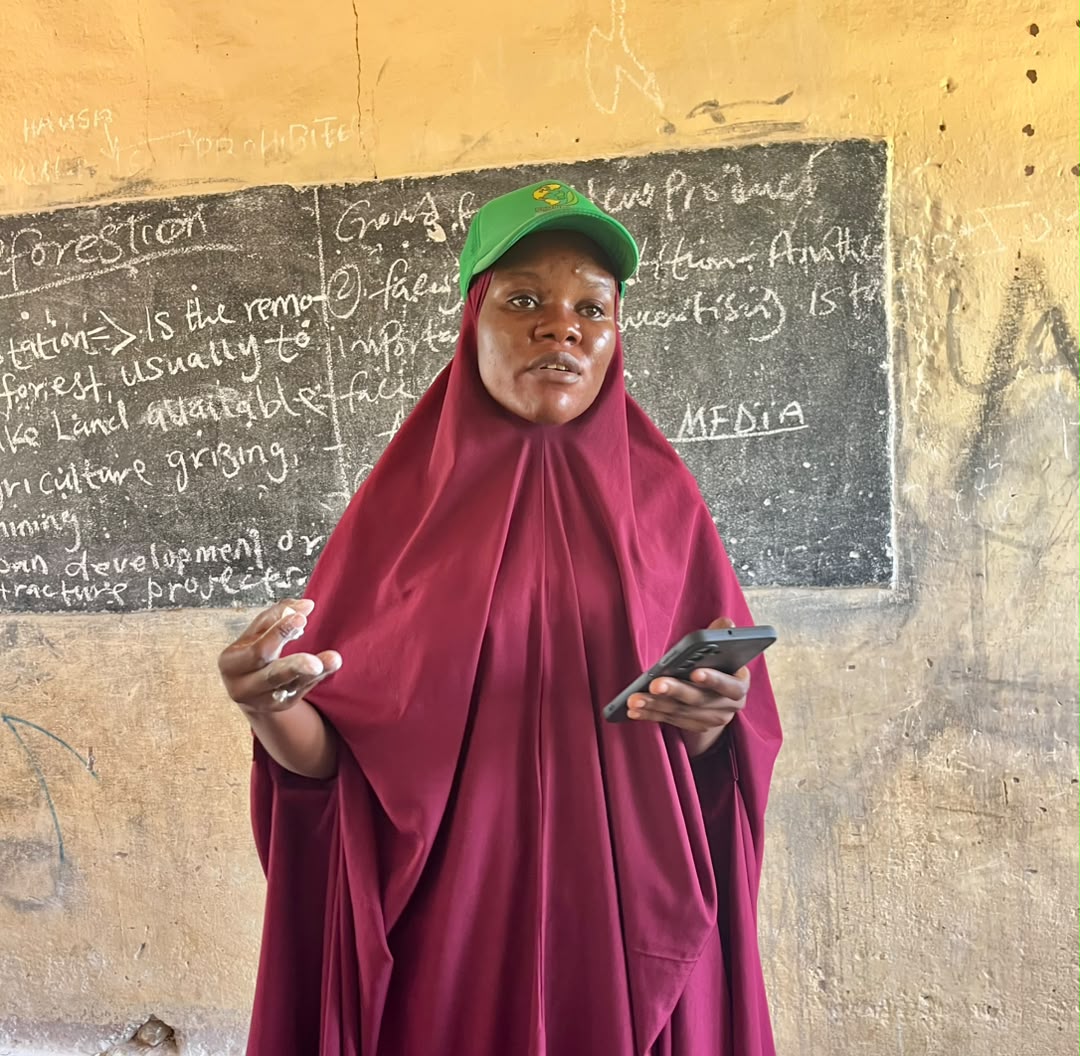
Much of the available climate information is produced in English, creating a language barrier. Our response is to make education accessible through translation and simplified visual resources.
We believe everyone deserves the opportunity to understand the climate challenges affecting their community, regardless of academic background.
We do not want climate education to end with awareness. We want awareness to lead to action. A student who learns about deforestation becomes an environmental ambassador. A community member plants a tree. A conversation becomes a project, and gradually, small actions become a movement.
Helping young people and communities understand climate change and its local effects.
Turning education into practical activities like tree planting and conservation.
Creating opportunities for youth to become active participants and leaders.
Bringing together schools, communities, and faith groups around shared goals.
Making climate info easier to understand through local-language resources.
Using environmental action as a platform for dialogue and peaceful coexistence.
Encouraging participants to care for trees and share knowledge beyond the project.
Our work follows a simple, sustainable cycle:
We educate people about the challenge. We engage communities in meaningful conversations. We support practical action. We inspire others through the results. And we work toward sustainable practices that continue beyond the project.
The climate challenge is too big for one person, one organization, or one community to solve alone. We welcome supporters, funders, schools, community leaders, faith communities, volunteers, educators, and development partners.